Understanding the Impact of Wheel Lips on Cars
Wheels are not just functional components of a vehicle; they are also style statements. From sleek designs to bold aesthetics, every aspect of a wheel contributes to the overall look and performance of a car. One such aspect that has garnered attention in the automotive community is the wheel lip.
1. Caliper Clearance Concerns:
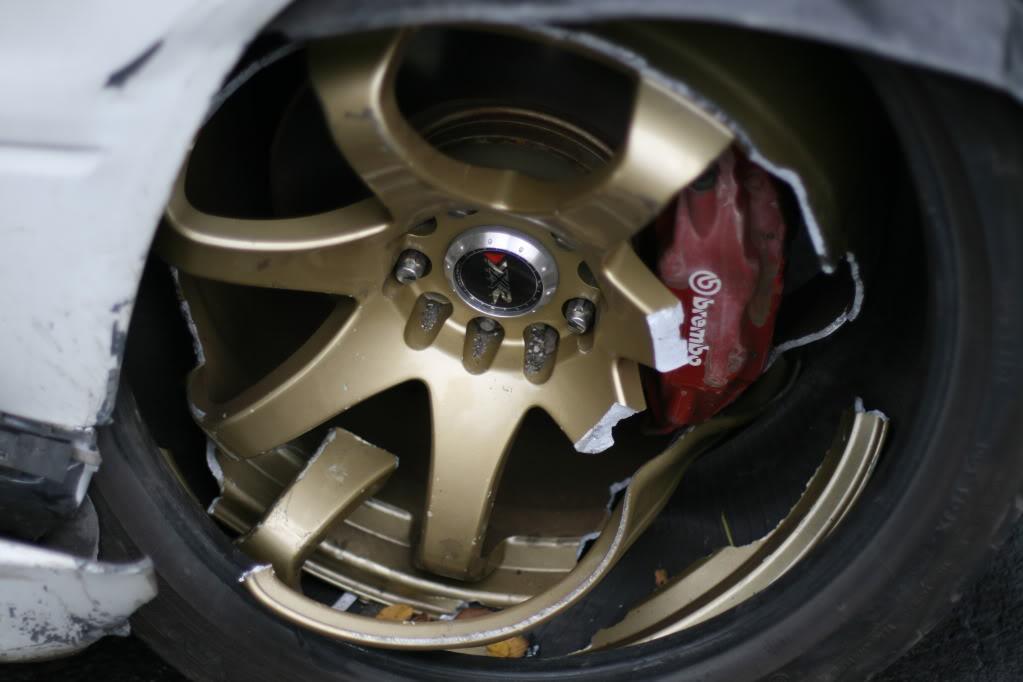
One of the primary issues associated with larger wheel lips is the potential interference with calliper clearance. The space between the wheel and the brake calliper is crucial for ensuring smooth braking functionality. If the lip protrudes excessively, it may encroach upon this space, leading to complications during braking manoeuvres.
2. Perception of Wheel Size:
Surprisingly, opting for bigger lips can create an optical illusion, making the wheel appear smaller than its actual size. For enthusiasts seeking to enhance the visual presence of their vehicle, this aspect warrants consideration. Choosing wheels with smaller lips might be preferable for those aiming to achieve a perception of larger wheel size.
3. Vulnerability to Damage:
4. Reinforcement and Strength:
Despite the aforementioned drawbacks, larger lips can offer advantages in terms of wheel strength, particularly when constructed from durable materials like forged aluminium. The additional material introduced by the larger lip contributes to bolstering the structural integrity of the wheel, potentially reducing the risk of breakage.
5. Balancing Pros and Cons:
Ultimately, selecting the appropriate wheel lip size involves weighing the pros and cons based on individual requirements and preferences. While larger lips may enhance strength and aesthetics, they also pose challenges such as clearance issues and vulnerability to damage. Conversely, smaller lips might offer better clearance and visual appeal but may compromise on strength.